CIENCIA - Ministerio de Ciencia, Innovación y Universidades >
... >
Ciencia e Innovación frente al Coronavirus >
Investigaciones
>
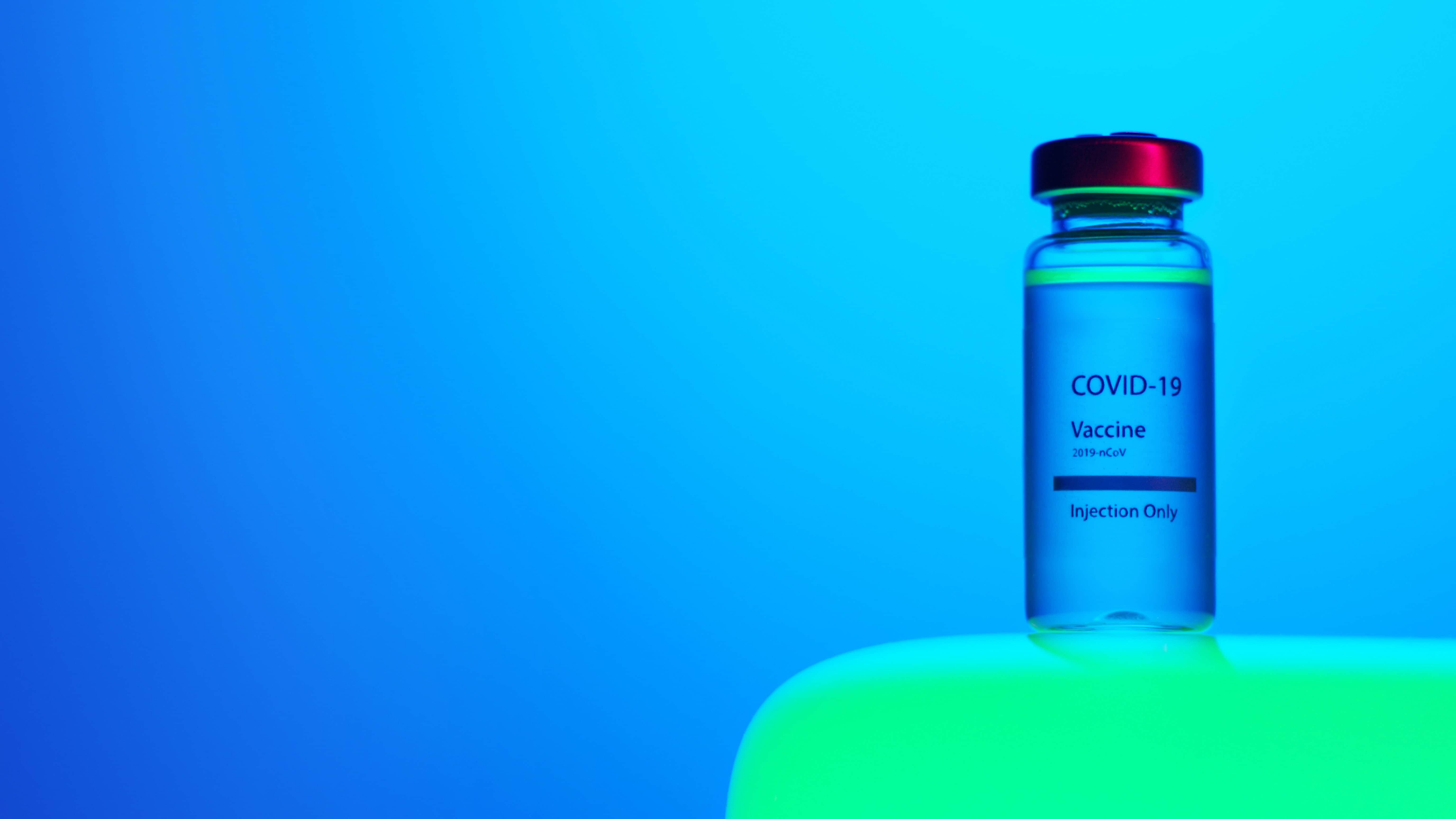
Projects in vaccine development
Financing Council of Ministers
| Project | Centre involved | Description |
|---|---|---|
| MVA-COVID-19 | National Center for Biotechnology (CNB) | The laboratory of Professor Mariano Esteban seeks to generate viral vectors based on a modification of the virus used in the eradication of smallpox. By not using the complete SARS-CoV-2 virus, researchers can work in conditions of lower level of biological safety and therefore less experimental complexity is required when developing the vaccine. This project has also received funding from the COVID-19 Fund, managed by the Carlos III Health Institute. |
| PIE-CORONAVIRUS | National Center for Biotechnology (CNB) | The PIE-CORONAVIRUS project aims to study the mechanisms of pathogenesis of the coronavirus SARS-CoV-2 with the purpose of eliminating from its genome the genes responsible for virulence to obtain attenuated derivatives, which are vaccine candidates. The research group has already completed the design of the strategy to reconstruct the virus genome from chemically synthesized DNA fragments and hopes to engineer the entire genome and attenuated variants in about six to eight weeks. In this way, they expect to have vaccine candidates within three months, which will first be evaluated in pre-clinical mouse trials, to determine if they are effective and safe, before being studied in phase I clinical trials in people. |
Funding COVID-19 Fund
| Project | Centre involved | Description |
|---|---|---|
| Primate pharmacokinetics of a Spanish-made BCG variant | University of Zaragoza | Study of a possible modification of a vaccine being developed against tuberculosis, called MTBVAC, entirely produced in Spain. The development of this project, currently in the final preclinical phases, aims to explore whether the non-specific immunity against SARS-CoV-2 that this vaccine could generate can be effective enough to start studies in people in the coming weeks. |
| Development of the MVA-COVID-19 vaccine expressing SARS-CoV-2 antigens | National Center for Biotechnology (CNB-CSIC) | Design of MVA-COVID-19 vaccines that express SARS-CoV-2 antigens. Progress is being made in the development of two possible types of vaccines that express different proteins of the virus. |
| Preclinical development of a SARS-CoV-2 mRNA/MVA vaccine | August Pi i Sunyer Biomedical Research Institute (IDIBAPS) | Preclinical development of microRNA-based vaccines, with the aim of introducing a long-range cellular response against the virus that provides immunity throughout life. |
| Platforms for the development of bio-safe vaccines against SARS-CoV-2 | Miguel Servet Foundation - Navarrabiomed | Creation of vaccine development platforms against SARS-CoV-2, a project that includes three different production procedures to improve the engineering of possible vaccines. |
| An Efficient Peptide Vector for mRNA Vaccination Against COVID-19 | University of Santiago de Compostela | Development of a possible vaccine using microRNA with peptide vectors. To this end, a platform will be developed to screen possible alternatives that can be used as gene transports for the vaccine. |
| Dual MVA vaccinia virus for immunization against SARS-CoV-2 | INIA - National Institute of Agricultural and Food Research and Technology | Project based on a vaccine vector based on adapted plasmids and double insertions in the genome. This is a dual vaccine proposal that is already well advanced thanks to previous research, and which must be developed by adapting plasmids to the selected genes of SARS-CoV-2. |
| CoviNanoVax: Design of a mRNA vaccine based on polymeric nanoparticles targeting dendritic cells | Ramón Llull University | Design of a microRNA vaccine based on polymeric nanoparticles directed to dendritic cells. The CoviNanoVax project seeks to develop a specific immune response to immunize healthy but susceptible people, to protect them against future SARS-CoV-2 infections. |
| Vaccine for viral proteins and MVA | CIQUS-USC | Vaccine development using protein spheres that introduce three viral proteins. They fold while maintaining the structure. Combine with MVA. |
CDTI funding
| Development of a vaccine manufacturing platform against emerging viral diseases | CZ VETERINARIA, S.A. | CZ VETERINARIA seeks to overcome the technological limitations involved in the optimization of viral replication at an industrial level in cell cultures. |
| Development of a vaccine and rapid screening tests for SARS-CoV-2 | ALTERNATIVE GENE EXPRESSION S.L. | Development of a subunit vaccine against SARS-CoV-2 and rapid COVID-19 detection tests using CrisBio® technology. |
| Vaccine development by protein S | CZ VETERINARIA, S.A. | [Development of a vaccine against the coronavirus by the expression of protein S in the modified vaccinia virus of Ankara]. |
| DNA vaccine development | BIOFABRI SL | Development of a DNA vaccine against the coronavirus SARS-CoV-2. |
| ADENO-ASSOCIATED VIRUS (AAV) vector vaccine development | VIRALGEN VECTOR CORE S.L. | Genetic vaccine strategy based on an ADENO-ASSOCIATED virus (AAV) vector. |
Others
| Project | Centre involved | Description |
|---|---|---|
| Vaccine by using a gene from an antigen of SARS-CoV-2 itself to boost the recipient's immunity | Center for Biological Research Margarita Salas (CIB-CSIC) | The vaccine uses a gene from an antigen of the SARS-CoV-2 coronavirus itself to boost the recipient's immunity. The method is to place the antigen gene in a synthetic DNA ‘carrier’ (a plasmid) that can be introduced into the patient’s body and induce protection against infection. The team is synthesizing the corresponding DNA molecules that will be introduced into the vehicle and in two months it could begin to be tested in mouse models. This development of protective vaccine has an additional advantage: the process of industrial scaling of the vaccine candidate has already been performed previously, which would significantly advance the industrial phase of manufacturing, testing in humans and its subsequent production, if the test results were positive. |
| Vaccine by RNA/nanoparticle technique | IrsiCaixa AIDS Research Institute | Vaccine development using the RNA/nanoparticle technique. |
Form sent successfully. Thanks for the comment.